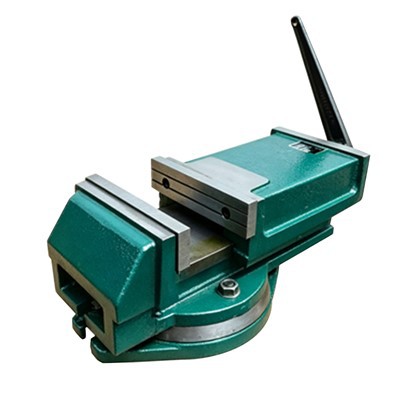
The use and maintenance methods of high-quality wire cutters
Wire cutters, also known as vises, are a commonly used and practical kind of hardware tools, mastering its correct use and maintenance skills, not only can improve work efficiency, but also prolong the service life of tools.
How to use wire cutters

Cutting operations
Cutting the wire: Place the wire in the center of the cutting edge of the wire cutter, making sure that the wire is perpendicular to the cutting edge. Hold the handle of the pliers with both hands, press down evenly, and use the lever principle to quickly cut the wire at the cutting edge. Be careful not to exceed the maximum cutting capacity of the wire cutter when cutting to avoid damaging the cutting edge. For example, ordinary wire cutters are generally suitable for cutting iron wires and copper wires with smaller diameters, and special heavy-duty wire cutters are required for thicker steel bars

Bending operation
When it is necessary to bend the wire, the wire is placed at the mouth of the jaw head. By rotating the shank, the wire is bent to the desired angle and shape using the friction and clamping force of the tooth mouth. For example, if you make a simple metal hook, you can use this method to complete the initial bending.

Clamping operation
When clamping small workpieces or twisting nuts and bolts, the workpiece is clamped with jaws. Make sure the workpiece is securely clamped between the jaws to prevent slipping. When twisting the nuts and bolts, adjust the opening size of the jaws according to the size of the nuts and bolts, maintain the appropriate clamping strength, and apply force to twist smoothly.

Maintenance of wire cutters
Daily cleaning
After each use, wipe the surface of the wire cutter with a clean rag to remove impurities such as oil, metal chips, and dust. For cutting and tooth areas, a small brush can be used to clean the crevices to keep the tool clean and prevent impurities from wearing on the cutting edge and affecting the clamping effect.
After use in humid / corrosive environments
Wire cutters are mostly made of metal and are prone to rust. Anti-rust oil should be applied in time after use, especially for the cutting edge and jaw shaft. If it is not used for a long time, the wire cutter can be placed in a sealed bag and placed with desiccant to avoid contact with moist air and prevent rust. Once rust is found on the surface of the wire cutter, it should be gently sanded with sandpaper to remove it in time, and then apply anti-rust oil.
After cutting special materials
Cut paint/rubber-wrapped wire: Wipe the cutting edge with kerosene or a special detergent to prevent the residue from hardening and affecting the next use. Shear galvanized iron wire: remove the residual zinc layer at the cutting edge in time (you can use fine sandpaper to grind lightly) to avoid galvanic corrosion between zinc and the metal of the pliers.