Hey there! As a supplier of Paint Spray Guns, I've seen my fair share of issues with these handy tools. Whether you're a professional painter or a DIY enthusiast, a malfunctioning paint spray gun can really throw a wrench in your project. But don't worry, I'm here to walk you through some common problems and how to troubleshoot them.
1. Gun Won't Spray Paint
One of the most frustrating issues is when your paint spray gun just won't spray paint. There could be a few reasons for this.
Clogged Nozzle
The nozzle is the part of the gun where the paint comes out. If it's clogged, paint can't flow properly. To check for a clog, first, turn off the air supply and remove the nozzle. You can usually do this by unscrewing it. Once you have the nozzle in hand, inspect it closely. If you see any dried paint or debris, soak the nozzle in a paint thinner or a cleaning solution recommended by the gun's manufacturer. After soaking for a while, use a small brush or a pin to gently clear out any remaining blockages. Then, rinse the nozzle thoroughly with clean water and let it dry before reattaching it to the gun.
Empty Paint Cup
This might seem obvious, but it's easy to overlook. Check your paint cup to make sure it has enough paint. If it's empty, simply refill it with the appropriate paint. Make sure the paint is properly mixed and thinned according to the manufacturer's instructions. Using paint that's too thick can also cause problems with spraying.
Air Supply Issues
A lack of proper air pressure can prevent the gun from spraying paint. First, check that your air compressor is turned on and set to the correct pressure. The recommended air pressure for your paint spray gun should be listed in the user manual. If the pressure is too low, the paint won't atomize properly and might not come out at all. On the other hand, if the pressure is too high, it can cause overspray and uneven coverage. You can use a pressure gauge to monitor the air pressure and adjust it as needed.
2. Uneven Spray Pattern
If you notice that the paint is coming out in an uneven pattern, like it's thicker in some areas and thinner in others, there are a few things you can do.
Nozzle Alignment
The nozzle needs to be properly aligned for a consistent spray pattern. Sometimes, during use, the nozzle can become slightly misaligned. To fix this, remove the nozzle and check if it's sitting straight in its housing. If it's off-center, carefully realign it and tighten it back in place. You might need to make a few small adjustments and test the spray pattern to get it just right.
Fan Adjustment
Most paint spray guns have a fan adjustment knob or lever. This allows you to control the width and shape of the spray pattern. If the spray is too narrow or too wide, adjust the fan setting. For example, if you're spraying a large, flat surface, you might want a wider fan pattern for faster coverage. If you're working on a small, detailed area, a narrower fan pattern would be more appropriate.
Paint Viscosity
The thickness of the paint, or its viscosity, can also affect the spray pattern. If the paint is too thick, it might not spread evenly. You can thin the paint using a paint thinner or a reducer recommended by the paint manufacturer. Be careful not to thin it too much, though, as this can also cause problems like runs and drips.

3. Spitting or Dripping
Spitting or dripping paint from the gun can be a real mess. Here's how to deal with it.
Loose Parts
Check all the connections on the paint spray gun, including the nozzle, the paint cup, and the air hose. If any of these parts are loose, they can cause paint to leak or spit out. Tighten all the connections securely, but be careful not to overtighten, as this can damage the parts.
Excess Paint in the Gun
Sometimes, there can be too much paint in the gun, especially if you've been using a high-pressure setting. To fix this, turn off the air supply and let the gun drain for a few minutes. You can also gently tap the gun on a soft surface to help dislodge any excess paint.
Worn Seals
Over time, the seals in the paint spray gun can wear out, causing leaks. If you suspect that a seal is the problem, you'll need to replace it. You can usually find replacement seals at your local hardware store or order them from the gun's manufacturer. Make sure to follow the instructions carefully when replacing the seals to ensure a proper fit.
4. Poor Atomization
Atomization is the process of breaking the paint into small droplets for a smooth, even finish. If the paint isn't atomizing properly, you'll end up with a rough, uneven surface.
Air Pressure and Flow
As mentioned earlier, the air pressure and flow are crucial for proper atomization. Make sure your air compressor is providing enough air at the right pressure. You might also need to adjust the air flow control on the paint spray gun. This can usually be done with a knob or a valve on the gun. Experiment with different settings to find the optimal combination for the type of paint and the surface you're spraying.
Nozzle Size
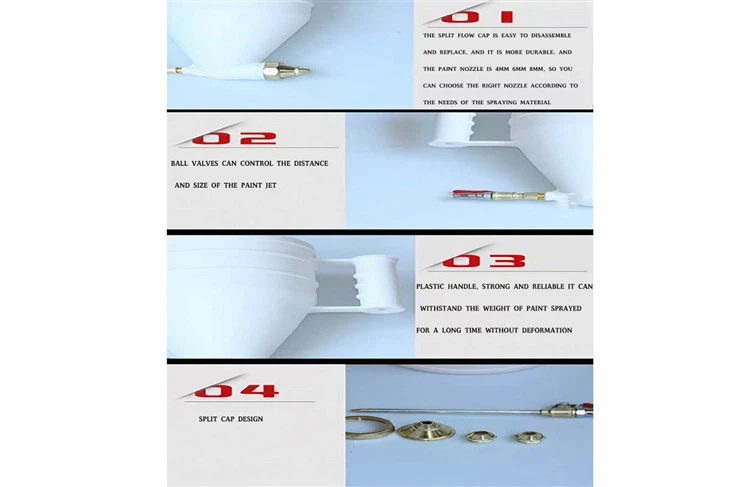
Using the wrong nozzle size for the type of paint you're using can also affect atomization. Different nozzles are designed for different viscosities of paint. For example, a smaller nozzle is better for thin paints, while a larger nozzle is needed for thicker paints. Check the manufacturer's recommendations for the appropriate nozzle size for your paint and make sure you're using the correct one.
5. Gun Overheating
If your paint spray gun starts to feel hot during use, it could be a sign of a problem.
Continuous Use
Using the gun for long periods without giving it a break can cause it to overheat. If you're working on a large project, try to take short breaks every 15 - 20 minutes to let the gun cool down. This will also help prevent fatigue and improve your overall spraying performance.
Air Restrictions
Check the air hose for any kinks or blockages. A restricted air flow can cause the gun to overheat. Straighten out any kinks in the hose and make sure there are no objects blocking the air intake or outlet.
Conclusion
Troubleshooting a paint spray gun doesn't have to be a headache. By following these simple steps, you can quickly identify and fix most common problems. Remember, regular maintenance and proper use of your paint spray gun are key to keeping it in good working condition.
If you're in the market for a new Paint Spray Guns or Boutique Paint Guns, we've got you covered. Our wide range of high-quality paint spray guns is designed to meet the needs of both professionals and DIYers. Whether you're looking for a basic model for small projects or a more advanced gun for large-scale jobs, we have the perfect solution for you.
If you have any questions or need help choosing the right paint spray gun for your needs, don't hesitate to reach out. We're here to assist you with all your paint spraying needs and look forward to discussing your procurement requirements.
References
- Paint Spray Gun User Manuals
- Industry Best Practices for Paint Spraying