China High Leg Secondary Box Suppliers - Customized High Leg Secondary Box Made in China - Yijia Import & ExportThe high-leg second-level box is a core power distribution device for temporary electrical scenarios such as construction and outdoor operations. It is an intermediate link in a three-level distribution system, and is named for its high-leg support frame, which makes it convenient for outdoor ground use. It is a key device for ensuring on-site electrical safety and stable distribution.
Core Definitions and Industry Positioning
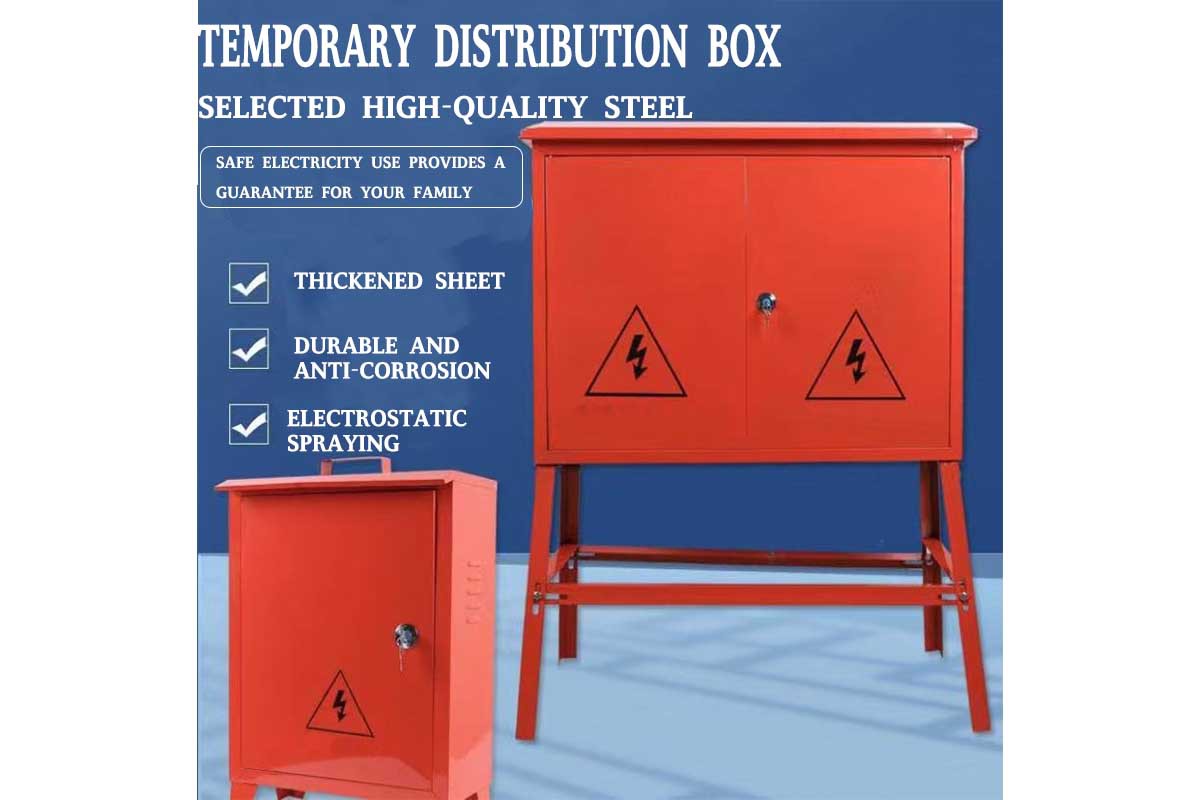
The high-leg secondary distribution box (referred to as high-leg secondary box) is an electrical distribution hub that receives power from the primary main distribution box and then diverts it to tertiary switch boxes, following the industry standards of 'three-level distribution, two-level protection' (JGJ/T 46-2024, GB 50194-2014). Unlike ordinary wall-mounted secondary boxes, it comes with a high-legged support frame (with a height usually positioning the center of the box 1.4-1.6 meters above the ground), so it does not need to be attached to a wall and can be placed directly on construction sites, open-air sites, and other complex environments. It features flexible mobility, easy installation, and protection against rain and dust.
Structure and Core Configuration
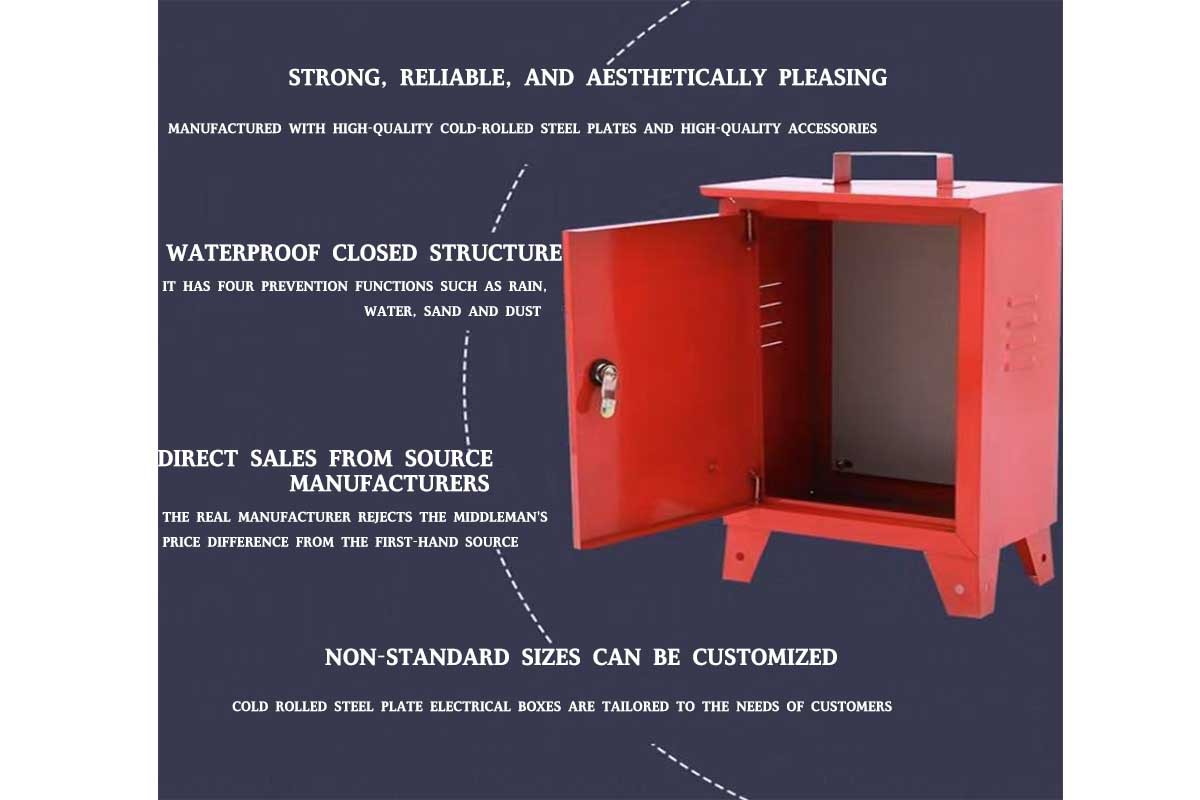
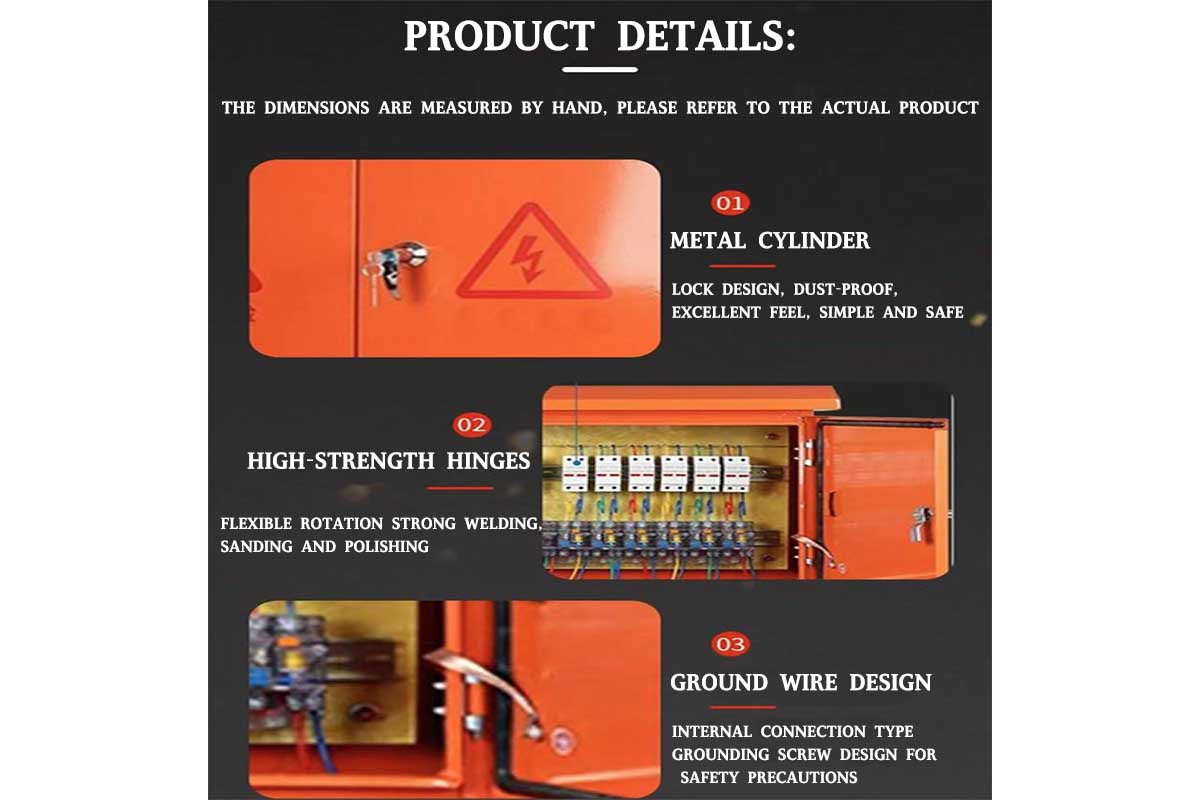
Enclosure Material: Mostly made of 1.2-2.0mm thick cold-rolled steel plates, with electrostatic powder coating on the surface, corrosion-resistant, impact-resistant, and protection level of IP44 or above, suitable for outdoor rain and dust environments.
High Pole Bracket: Detachable steel structure bracket, stable and durable, convenient for transportation and on-site setup, preventing the enclosure from directly contacting wet ground and reducing the risk of electric leakage.
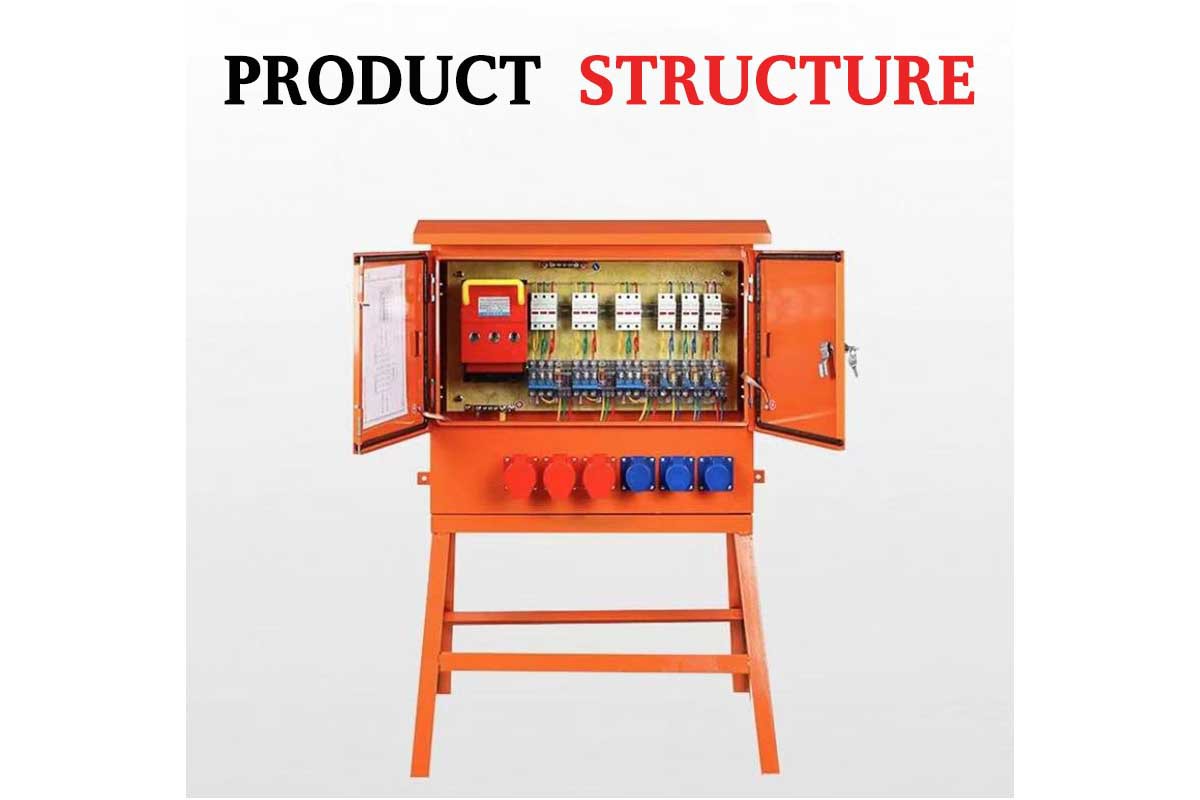
Internal Core Components:
Main Isolating Switch: Achieves physical power disconnection during maintenance, ensuring operational safety;
Main Circuit Breaker: Provides overall protection against overloads and short circuits, with current specifications matching the total site load;
Branch Circuit Breakers: Multiple independent outputs, each corresponding to a tertiary box or area, achieving "independent branches, matched load";
N Bus and PE Bus: Strictly separate neutral wire and protective earth wire, complying with TN-S three-phase five-wire standards, ensuring reliable grounding.

Technical Parameters and Installation Specifications
Specification dimensions: Common sizes are 400×500×200mm, 600×800×200mm, 800×1000×250mm, etc., with 4-12 circuits optional.
Current range: Total current 63A-400A, branch current 16A-100A, suitable for power requirements of construction projects of different scales.
Installation requirements: Install in areas with concentrated loads, power supply radius ≤30 meters, distance to tertiary box ≤30 meters; firmly fixed, operation passage ≥1 meter, box grounding resistance ≤4Ω.
Application Scenarios and Industry Value
The high-leg secondary box is widely used in temporary power scenarios such as construction, road and bridge projects, municipal works, and outdoor emergency repairs. Its value lies in: first, zoned power supply, dividing the total electricity to various work areas, so that a fault in a single zone does not affect the whole; second, safety protection, serving as an intermediate protection link to intercept line short circuits and overload faults, preventing tripping at higher levels; third, environmental adaptation, with the high-leg design keeping it away from water accumulation and debris, and the rainproof structure suitable for outdoor work, significantly enhancing the safety of temporary electricity use.
Key Points for Use and Maintenance
Before use, the integrity of components and the reliability of grounding must be checked; routinely, the purpose of circuits should be labeled, and wiring diagrams posted, strictly prohibiting 'one switch for multiple machines.' During maintenance, power must be cut off with a warning tag, circuit breakers and grounding devices should be tested regularly to ensure component sensitivity and effectiveness, and illegal live operations must be avoided to prevent electrical accidents from the source.