

As a seasoned spray gun supplier, I've witnessed firsthand the importance of maintaining and replacing parts of a spray gun. A well - maintained spray gun not only ensures a high - quality finish but also extends the lifespan of the equipment. In this blog, I'll guide you through the process of replacing the parts of a spray gun, sharing insights and tips based on years of industry experience.
Understanding Your Spray Gun
Before you start replacing parts, it's crucial to have a solid understanding of your spray gun. There are various types of spray guns available in the market, such as Paint Spray Guns and Boutique Paint Guns. Each type may have different components and mechanisms.
Typically, a spray gun consists of a nozzle, needle, air cap, fluid cup, and various O - rings and gaskets. The nozzle is responsible for atomizing the paint or coating, the needle controls the flow of the fluid, the air cap directs the air stream, the fluid cup holds the paint, and the O - rings and gaskets prevent leaks.
Tools You'll Need
To replace the parts of a spray gun, you'll need a few basic tools. These include a set of screwdrivers (both flat - head and Phillips), a wrench, a small brush for cleaning, and a container for soaking the parts. It's also a good idea to have a spray gun cleaning solution on hand to ensure a thorough cleaning of the parts.
Step - by - Step Guide to Replacing Spray Gun Parts
1. Safety First
Before you begin any work on your spray gun, make sure it is turned off and disconnected from the air supply. If there is any paint or coating in the fluid cup, empty it into a proper container. This will prevent any accidental spraying or leakage during the part replacement process.
2. Disassembly
- Removing the Fluid Cup: Unscrew the fluid cup from the spray gun. Depending on the type of spray gun, there may be a locking mechanism or a simple threaded connection. Once removed, set the fluid cup aside.
- Taking Out the Air Cap: Use a wrench or your fingers (if it's loose enough) to unscrew the air cap from the front of the spray gun. The air cap is usually held in place by a threaded connection. As you remove it, be careful not to damage the delicate air holes.
- Removing the Nozzle and Needle: The nozzle and needle are often connected. First, locate the retaining nut that holds the nozzle in place. Use a screwdriver or a wrench to loosen and remove this nut. Then, gently pull out the nozzle and needle assembly.
3. Inspecting the Parts
Once you have disassembled the spray gun, carefully inspect each part. Look for signs of wear, damage, or clogging. The nozzle and needle may show signs of wear at the tip, which can affect the atomization of the paint. The O - rings and gaskets may be cracked or worn, leading to leaks. If any part is damaged beyond repair, it's time to replace it.
4. Cleaning the Parts
Before installing new parts, it's essential to clean the existing parts thoroughly. Soak the parts in a spray gun cleaning solution for a few minutes. Use a small brush to gently scrub away any paint, debris, or buildup. Pay special attention to the small holes in the air cap and the nozzle. Rinse the parts with clean water and let them dry completely.
5. Installing New Parts
- Installing the Nozzle and Needle: Take the new nozzle and needle assembly and insert it into the spray gun. Make sure it is properly aligned. Then, tighten the retaining nut to secure the nozzle in place. Be careful not to overtighten, as this can damage the nozzle or the spray gun body.
- Putting on the Air Cap: Place the new air cap on the front of the spray gun and screw it on tightly. Ensure that the air holes are properly aligned with the nozzle. A misaligned air cap can cause uneven spraying.
- Attaching the Fluid Cup: Screw the fluid cup back onto the spray gun. Make sure it is securely fastened to prevent any leaks.
6. Reassembly and Testing
After installing all the new parts, reassemble the spray gun. Connect it to the air supply and test it. Spray a small amount of paint or coating onto a test surface. Check for proper atomization, even spraying, and no signs of leakage. If everything looks good, your spray gun is ready to use.
Troubleshooting Common Issues
Even after replacing the parts, you may encounter some issues. Here are some common problems and their solutions:
- Poor Atomization: This could be due to a clogged nozzle or an improperly installed air cap. Check the nozzle for any blockages and make sure the air cap is correctly aligned.
- Leakage: If you notice paint or air leaking from the spray gun, check the O - rings and gaskets. Make sure they are properly installed and not damaged. You may need to replace them if they are worn out.
- Uneven Spraying: This could be caused by a bent needle or a misaligned nozzle. Inspect the needle for any damage and ensure that the nozzle is centered.
Why Choose Our Spray Gun Parts
As a spray gun supplier, we take pride in offering high - quality parts for your spray guns. Our parts are made from premium materials, ensuring durability and performance. We have a wide range of parts available for different types of spray guns, including Paint Spray Guns and Boutique Paint Guns.

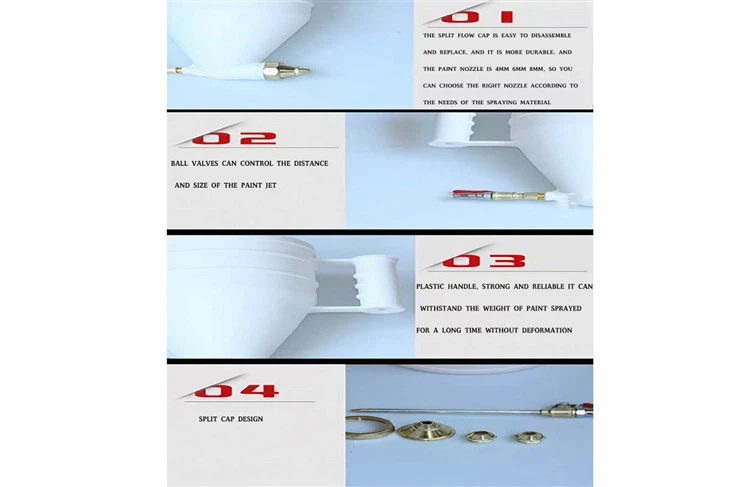
Our team of experts is always ready to assist you in choosing the right parts for your specific needs. Whether you're a professional painter or a DIY enthusiast, we have the parts and knowledge to keep your spray gun in top condition.
Contact Us for Procurement
If you're in need of spray gun parts or have any questions about replacing parts, we encourage you to contact us. We offer competitive prices, fast shipping, and excellent customer service. Our goal is to help you get the most out of your spray gun and ensure a successful painting project.
References
- Spray Gun Manufacturer's Manuals
- Industry - Standard Spray Gun Maintenance Guides
- Personal Experience as a Spray Gun Supplier


