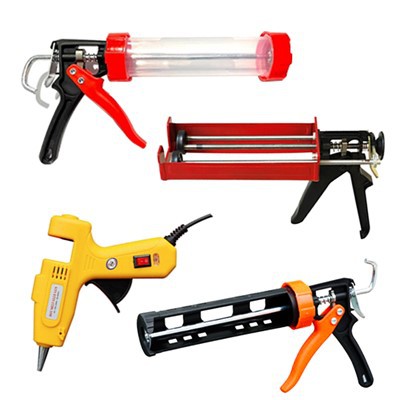
The performance of wind cannons is influenced by various factors, and one crucial aspect that often goes under - explored is the height of installation. As a wind cannons supplier, I have witnessed firsthand how the installation height can significantly impact the functionality and effectiveness of these devices. In this blog, we will delve into the scientific principles behind this relationship and discuss how different installation heights can affect wind cannon performance.
The Basics of Wind Cannon Operation
Before we discuss the impact of installation height, it's essential to understand how wind cannons work. Wind cannons are pneumatic tools designed to generate a high - velocity stream of air. They are used in a variety of industries, from manufacturing and construction to agriculture and waste management. The basic principle involves compressing air and then releasing it through a nozzle, creating a powerful gust of wind.
Influence of Installation Height on Airflow Patterns
The height at which a wind cannon is installed can have a profound effect on the airflow patterns it generates. When a wind cannon is installed at a low height, the airflow tends to be more concentrated near the ground. This can be beneficial in applications where you need to clean or move debris on a flat surface, such as a factory floor or a warehouse aisle. For example, in a manufacturing plant, a wind cannon installed close to the ground can effectively blow away metal shavings and dust from workstations.
On the other hand, when a wind cannon is installed at a higher height, the airflow spreads out over a larger area. This is useful in scenarios where you need to cover a wide space, like an agricultural field or a large outdoor storage yard. A Small Wind Cannons installed on a pole at a certain height can distribute air over a broader area, helping to dry crops or disperse pests.
Impact on Wind Velocity
The installation height also affects the wind velocity at the target area. According to fluid dynamics principles, as air travels from the wind cannon nozzle, it experiences resistance from the surrounding air and objects. When a wind cannon is installed low, the air has less distance to travel to reach the target, and thus, there is less loss of velocity due to air resistance. This results in a higher - velocity airflow at the target point.
Conversely, when a wind cannon is installed at a greater height, the air has to travel a longer distance. During this journey, the wind velocity decreases due to air resistance and the spreading of the airflow. However, in some cases, the reduced velocity can be an advantage. For instance, in a greenhouse, a Gale Cannons installed at a height can provide a gentle but widespread airflow, which is ideal for circulating air without causing damage to delicate plants.
Effect on Noise Levels
Noise is another important factor to consider when it comes to wind cannon performance. The installation height can influence the noise levels experienced at the ground level. When a wind cannon is installed close to the ground, the noise generated by the high - velocity airflow is more likely to be heard directly by people in the vicinity. This can be a nuisance in workplaces where noise regulations are strict.
Installing the wind cannon at a higher height can help to mitigate this issue. As the sound waves have to travel through a larger volume of air, they disperse, and the noise level at the ground level is reduced. This makes high - height installations more suitable for areas where noise pollution needs to be minimized, such as residential areas near industrial sites.
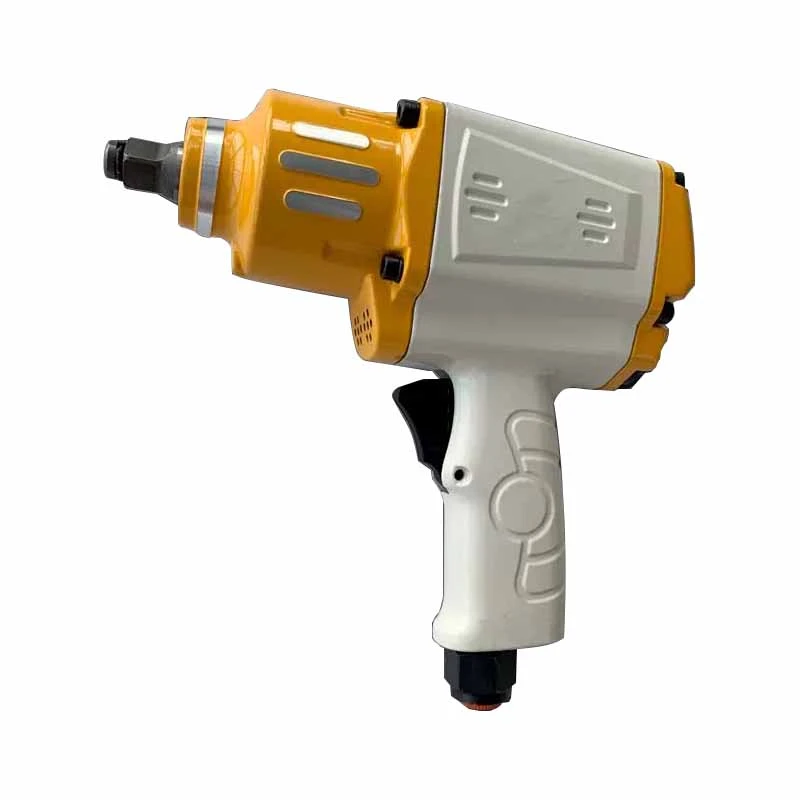

Considerations for Different Types of Wind Cannons
Different types of wind cannons may perform differently at various installation heights. For example, Stroke Cannon are designed to deliver short, powerful bursts of air. When installed at a low height, they can provide a concentrated and intense blast, which is useful for removing stubborn debris. However, if you need to cover a larger area, installing a stroke cannon at a higher height can help to spread the impact of these bursts over a wider space.
Small wind cannons, on the other hand, are often more versatile in terms of installation height. They can be installed at low heights for precise cleaning tasks or at higher heights for broader coverage. Gale cannons, which are designed to generate a continuous and powerful airflow, may be more effective at higher installation heights to cover large areas.
Case Studies
Let's look at some real - world examples to illustrate the impact of installation height on wind cannon performance. In a food processing plant, a wind cannon was initially installed at a low height to clean conveyor belts. While it was effective in removing small particles, it created a lot of noise, which was a concern for the workers. After re - installing the wind cannon at a higher height, the noise level decreased significantly, and the airflow still managed to clean the conveyor belts effectively.
In an agricultural setting, a farmer installed a small wind cannon at a low height to dry a small patch of crops. However, the coverage was limited. By raising the installation height, the wind cannon was able to cover a larger area of the field, resulting in more efficient drying of the crops.
Conclusion
In conclusion, the height of installation plays a crucial role in determining the performance of wind cannons. It affects airflow patterns, wind velocity, noise levels, and the overall effectiveness of the device. As a wind cannons supplier, I recommend carefully considering the specific requirements of your application before deciding on the installation height. Whether you need a concentrated blast for a small area or a widespread airflow for a large space, the right installation height can make a significant difference.
If you are in the market for wind cannons and need expert advice on installation height and other performance - related factors, we are here to help. Our team of professionals can provide you with in - depth knowledge and guidance to ensure that you get the most out of your wind cannon investment. Contact us today to start a discussion about your specific needs and explore the best solutions for your application.
References
- "Fluid Mechanics" by Frank M. White
- Industry - specific research reports on the use of pneumatic tools in manufacturing, agriculture, and waste management.