

As a supplier of grease gun hoses, I've dealt with all sorts of issues related to these essential tools. One of the most common problems that can pop up is contamination in the grease gun hose. Contaminants can mess up the performance of the hose, and even cause damage to the equipment it's being used on. So, how do I ensure a grease gun hose is free from contaminants? Let's dive in and explore some practical steps.
Understanding the Types of Contaminants
First things first, it's important to know what kinds of contaminants we're up against. There are several types that can find their way into a grease gun hose.
Dirt and Dust: These are the most obvious ones. They can come from the environment where the grease gun is being used. For example, in a construction site or a manufacturing plant, there's always dust and dirt floating around. If the hose isn't properly sealed or protected, these particles can easily enter and clog the hose.
Moisture: Water can be a big problem. It can cause corrosion inside the hose, which weakens the structure and can lead to leaks. Moisture can also mix with the grease, changing its properties and reducing its lubricating ability.
Foreign Particles: Sometimes, small pieces of metal, plastic, or other materials can get into the hose. This can happen during the manufacturing process, or if the hose is used in an area where there are loose parts.
Proper Storage
One of the easiest ways to prevent contamination is by storing the grease gun hose correctly. When not in use, the hose should be kept in a clean, dry place. I always recommend using a storage case or a rack specifically designed for grease gun hoses. This helps to protect the hose from dust, dirt, and moisture.
If possible, the storage area should be climate-controlled. Extreme temperatures can affect the quality of the hose and the grease inside it. For example, high temperatures can cause the grease to thin out, while low temperatures can make it too thick.
Regular Cleaning
Cleaning the grease gun hose on a regular basis is crucial. Before cleaning, make sure to empty the hose of any remaining grease. You can do this by squeezing the trigger of the grease gun until no more grease comes out.
Next, use a clean, dry cloth to wipe the outside of the hose. This helps to remove any dirt or dust that may have accumulated. For the inside of the hose, you can use a specialized cleaning solution. There are many products available on the market that are designed to clean grease gun hoses. Just follow the instructions on the label.
After cleaning, rinse the hose thoroughly with water to remove any remaining cleaning solution. Then, dry the hose completely before storing it.
Inspection
Regular inspection is another important step in ensuring a grease-free hose. Before each use, take a close look at the hose for any signs of damage or contamination. Check for cracks, leaks, or bulges in the hose. These can be signs of wear and tear or internal damage.
Also, inspect the fittings at the ends of the hose. Make sure they are tight and free from any debris. If you notice any problems, replace the hose or the fittings immediately.
Using Clean Grease
The quality of the grease you use can also affect the cleanliness of the hose. Always use high-quality grease that is free from contaminants. When filling the grease gun, make sure to use a clean container and a funnel. This helps to prevent dirt and other particles from getting into the grease.
It's also a good idea to check the expiration date of the grease. Using expired grease can lead to problems such as clogging and reduced lubrication.
Training
If you're supplying grease gun hoses to customers, it's important to provide them with proper training on how to use and maintain the hoses. This includes instructions on storage, cleaning, inspection, and using clean grease.

By educating your customers, you can help them to keep their grease gun hoses in good condition and prevent contamination. You can also offer support and advice if they have any questions or problems.
The Role of Different Grease Guns
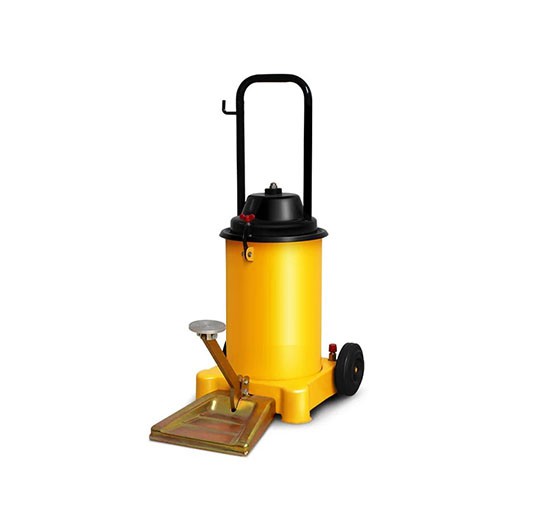
There are different types of grease guns available, such as the Manual Grease Gun and the Foot-operated Grease Gun. Each type has its own advantages and disadvantages when it comes to preventing contamination.
A manual grease gun is easy to use and control. It allows you to apply the right amount of grease precisely. However, it requires more effort to operate, and there's a higher risk of contamination if the user isn't careful.
On the other hand, a foot-operated grease gun is more powerful and can handle larger amounts of grease. It's also less likely to be contaminated because the user's hands are less likely to come into contact with the grease. However, it's more expensive and may not be suitable for all applications.
Conclusion
Ensuring a grease gun hose is free from contaminants is essential for its performance and longevity. By following the steps outlined above, such as proper storage, regular cleaning, inspection, using clean grease, and providing training, you can keep your grease gun hoses in top condition.
If you're in the market for high-quality grease gun hoses, I'd love to have a chat with you. Whether you're a small business or a large industrial operation, I can provide you with the right products and advice to meet your needs. Don't hesitate to reach out for a procurement discussion.
References
- "Grease Gun Maintenance Guide", Industry Publications
- "Best Practices for Grease Gun Hose Care", Professional Hand Tool Journals


