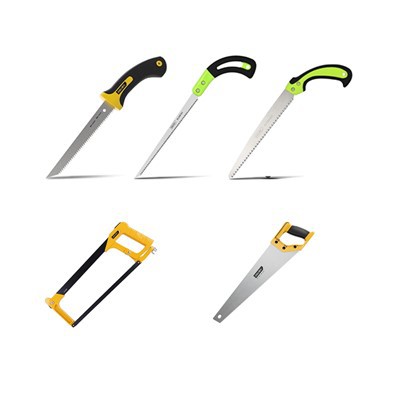
As a supplier of high - quality Metal Pipe Cutters, I'm often asked about the cutting capacity of these essential tools. Understanding the cutting capacity of a metal pipe cutter is crucial for both professionals in the plumbing, construction, and manufacturing industries, as well as DIY enthusiasts. This blog post will delve into what cutting capacity means, factors that affect it, and how to choose the right cutter for different tasks.
Defining Cutting Capacity
The cutting capacity of a metal pipe cutter refers to the maximum diameter of the metal pipe that the cutter can effectively and safely cut through. It is typically measured in millimeters (mm) or inches (in). For example, a pipe cutter might have a cutting capacity of 2 inches, which means it can cut pipes with a diameter up to 2 inches.
Types of Metal Pipe Cutters and Their Cutting Capacities
There are several types of metal pipe cutters, each with its own range of cutting capacities:
Manual Pipe Cutters
Manual pipe cutters are hand - operated tools. They are popular for their simplicity, portability, and affordability. These cutters usually have a lower cutting capacity compared to power - driven ones. A typical manual metal pipe cutter can handle pipes with diameters ranging from 1/8 inch (3.2 mm) to 2 inches (50.8 mm). For smaller - scale plumbing jobs, such as installing a new sink or fixing a leaky faucet, a manual pipe cutter with a capacity of up to 1 inch (25.4 mm) is often sufficient.
Power - Driven Pipe Cutters
Power - driven pipe cutters, which can be either electric or pneumatic, are capable of cutting larger - diameter pipes. Electric cutters are suitable for indoor and light - to - medium - duty outdoor cutting jobs. Their cutting capacity can range from 1 inch (25.4 mm) up to 12 inches (304.8 mm) or more. Pneumatic cutters, on the other hand, are popular in industrial settings due to their high power and durability. They can often handle even larger pipes, with some models having a cutting capacity of up to 24 inches (609.6 mm).
Factors Affecting Cutting Capacity
Several factors influence the cutting capacity of a metal pipe cutter:
Blade Design and Quality
The blade is the most critical part of the pipe cutter. A high - quality blade made from hardened steel or carbide can cut through thicker and tougher pipes. The design of the blade, such as its shape and the number of teeth, also plays a role. A blade with more teeth can provide a smoother cut but may take longer to penetrate the pipe, while a blade with fewer but larger teeth can cut through the pipe more quickly but may leave a rougher edge.
Cutter Construction
The overall construction of the pipe cutter affects its cutting capacity. A well - built cutter with a sturdy frame and strong gears can handle the stress of cutting larger pipes. For example, a cutter with a heavy - duty cast - iron frame is more likely to have a higher cutting capacity than one with a plastic or lightweight aluminum frame.
Pipe Material
Different metals have different hardness levels, which directly impact the cutting capacity of the pipe cutter. For instance, cutting through copper pipes is generally easier than cutting through stainless - steel pipes. Copper is a softer metal, so a pipe cutter with a relatively lower cutting capacity may be sufficient. In contrast, stainless - steel pipes require a more powerful cutter with a higher cutting capacity due to their hardness.


Choosing the Right Metal Pipe Cutter Based on Cutting Capacity
When selecting a metal pipe cutter, it's essential to consider the specific requirements of your project. Here are some guidelines to help you make the right choice:
Evaluate Your Project Needs
First, determine the maximum diameter of the pipes you'll be cutting. If you're working on a small - scale home plumbing project, a manual pipe cutter with a capacity of up to 1 - 2 inches should be adequate. For large - scale industrial projects, such as building a pipeline system, you'll need a power - driven cutter with a much higher cutting capacity.
Consider the Pipe Material
As mentioned earlier, the type of metal you're cutting matters. If you're dealing with soft metals like copper or brass, you have more options in terms of cutter types and capacities. However, for harder metals like stainless steel or cast iron, you'll need a cutter specifically designed to handle these materials and with an appropriate cutting capacity.
Look for Quality and Durability
Invest in a high - quality pipe cutter from a reputable manufacturer. A well - made cutter will not only have the necessary cutting capacity but also last longer and provide more consistent results. You can check customer reviews and industry ratings to get an idea of the cutter's performance and reliability.
Our Metal Pipe Cutter Offerings
At our company, we offer a wide range of Metal Pipe Cutters to meet different cutting capacity needs. Our manual pipe cutters are designed for ease of use and are perfect for small - to - medium - sized jobs. They are available in various cutting capacities, from 1/8 inch to 2 inches, ensuring that you can find the right tool for your specific project.
For more demanding applications, we have power - driven pipe cutters. Our electric cutters can handle pipes with diameters up to 12 inches, providing high - speed and precise cutting. Our pneumatic cutters are built for heavy - duty industrial use and can cut pipes with diameters of up to 24 inches.
In addition to our metal pipe cutters, we also offer other related tools, such as Manually Tempered Fuser and PPR Scissors, which can be useful in different pipe - related projects.
Contact Us for Your Cutting Needs
If you're in the market for a metal pipe cutter, we'd love to talk to you. Whether you're a professional contractor or a DIY enthusiast, our team of experts can help you choose the right cutter based on your specific cutting capacity requirements. We are committed to providing high - quality products and excellent customer service.
Don't hesitate to reach out to us to discuss your project needs and explore our range of metal pipe cutters. Start getting high - quality work done with the right tools in your hands.
References
- "Pipe Fitting Handbook" by Dan Holohan.
- "Plumbing Technology" by Steve Jacobs.
- Industry research reports on pipe cutting tools.