Hey there, fellow ceramic painting enthusiasts! I'm stoked to be here sharing all about the awesome tools you need for painting on ceramic. As a supplier of top - notch painting tools, I've seen firsthand how the right equipment can take your ceramic art to the next level.
Let's kick things off with the basics. When you're starting out with ceramic painting, you'll need some fundamental brushes. Brushes come in all shapes and sizes, and each has its own unique purpose. For detailed work, like adding fine lines or small details to your ceramic piece, a round brush with a pointed tip is your best bet. These brushes allow you to be super precise, whether you're painting a delicate flower petal or adding a tiny facial feature to a ceramic figurine.
Flat brushes, on the other hand, are great for covering larger areas quickly. If you're painting a big background color on a ceramic plate or a vase, a flat brush will help you get the job done in no time. And don't forget about fan brushes! They're perfect for creating soft, blended effects, like mimicking the look of clouds or a gradient on your ceramic.
Now, let's talk about some less - known but equally important tools. One of these is the Manual Cutter. This nifty little tool can be a game - changer when it comes to ceramic painting. You can use it to cut stencils out of thin materials like paper or vinyl. Stencils are a great way to add consistent patterns to your ceramic pieces. Whether you want to create a geometric design or a repeating motif, the manual cutter makes it easy to get clean, sharp edges on your stencils.
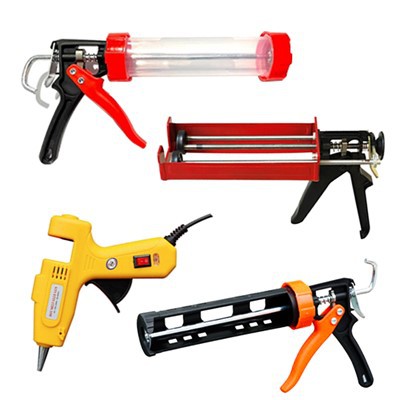
Another tool that's a must - have in your ceramic painting arsenal is the Beauty Sewing Glue Gun. You might be wondering, why a glue gun? Well, it can be used for a couple of different things. First, you can use it to attach small ceramic pieces together before painting. If you're creating a multi - part ceramic sculpture, the glue gun can hold the pieces in place so you can paint them as a single unit. Second, you can use the glue to create a resist. By applying glue in a pattern on your ceramic surface, you can prevent the paint from adhering to those areas. Once the paint is dry, you can peel off the glue, leaving behind a cool, patterned effect.
The Magnetic Field Line Faller is also a really interesting tool. It might seem a bit out of place in a ceramic painting context, but it can actually create some really unique effects. You can use it to manipulate magnetic paint on your ceramic surface. Magnetic paint has tiny iron particles in it, and the magnetic field line faller can guide these particles to create interesting patterns and textures. It's a great way to add an element of surprise and uniqueness to your ceramic paintings.


In addition to these tools, you'll also need some containers for your paint. Plastic or glass containers work well, and they come in different sizes. You'll want to have a few small containers for mixing different paint colors. Mixing your own colors allows you to get exactly the shade you want for your ceramic project.
Palette knives are another useful tool. They can be used to mix paint, spread thick layers of paint, or even scrape off unwanted paint. If you've made a mistake or want to create a textured effect, a palette knife is your friend.
When it comes to applying paint to your ceramic, there are a few different methods. You can use a traditional brush - on method, which gives you a lot of control over the application. However, if you want a more even and smooth finish, you might consider using an airbrush. Airbrushes use compressed air to spray paint onto the ceramic surface. They're great for creating gradients and smooth color transitions.
Now, let's talk about cleaning up. After you're done painting, it's important to clean your tools properly. Brushes should be rinsed in warm, soapy water right away. Make sure to remove all the paint from the bristles. You can use a brush cleaner or just regular dish soap. For other tools like palette knives and containers, you can also wash them with warm, soapy water. If there's stubborn paint, you might need to soak them for a while.
If you're serious about ceramic painting, investing in high - quality tools is definitely worth it. Good tools will last longer, perform better, and ultimately help you create better - looking ceramic pieces. And as a painting tools supplier, I've got a wide range of tools to meet all your ceramic painting needs.
Whether you're a beginner just starting out or an experienced ceramic artist looking to expand your toolkit, I've got something for you. I offer competitive prices, fast shipping, and excellent customer service. If you're interested in purchasing any of the tools I've mentioned or have any questions about which tools are right for your project, don't hesitate to reach out. We can have a chat about your specific needs, and I'll help you find the perfect tools to take your ceramic painting to new heights.
So, what are you waiting for? Start exploring the world of ceramic painting with the right tools, and let your creativity flow!
References:
- General knowledge about ceramic painting tools from years of experience in the industry.
- Observations from working with various ceramic artists and their tool preferences.