Hey there! I'm a supplier of bench tools, and today I wanna chat about the power consumption rates of these nifty gadgets. Bench tools are super handy in workshops, garages, and even for DIY enthusiasts at home. But how much power do they really gobble up? Let's dig in!
First off, let's talk about the different types of bench tools. There are power - hungry ones like bench grinders and belt sanders, and then there are those that sip power more gently, such as small hand - held drill presses that can be mounted on a bench.
Bench grinders are pretty common in workshops. They're used for sharpening tools, shaping metal, and all sorts of grinding jobs. These bad boys usually have motors that range from 1/3 horsepower to 1 horsepower. A 1/3 - horsepower bench grinder typically consumes around 250 - 300 watts. If you crank it up to a 1 - horsepower grinder, you're looking at power consumption of about 750 - 1000 watts. That's a significant jump! The more powerful the grinder, the more it can handle tough grinding tasks, but it also means it'll draw more juice from your electrical socket.
Belt sanders are another popular bench tool. They're great for smoothing out rough surfaces on wood, metal, or plastic. The power consumption of belt sanders varies depending on their size and speed. Smaller bench - top belt sanders with a 1/4 - horsepower motor might use around 180 - 220 watts. Larger, industrial - grade belt sanders with 1 - horsepower motors can consume 700 - 900 watts. When you're running a belt sander, you can feel the energy it's using, especially when it's working on a thick piece of material.
Now, let's move on to drill presses. Bench - top drill presses are a staple for precision drilling. They come in different sizes and power ratings. A small hobby - grade drill press with a 1/8 - horsepower motor might only use about 100 - 120 watts. On the other hand, a larger, more heavy - duty drill press with a 1/2 - horsepower motor can consume 350 - 450 watts. These drill presses are often used in professional settings where accuracy and the ability to drill through thick materials are crucial.
Lathes are also interesting when it comes to power consumption. A mini - lathe, which is great for small - scale projects like making pens or jewelry, might have a 1/4 - horsepower motor and use around 200 - 250 watts. A full - sized bench lathe with a 1 - horsepower motor can use 700 - 900 watts. Lathes are complex machines that need a good amount of power to rotate the workpiece and perform various turning operations.
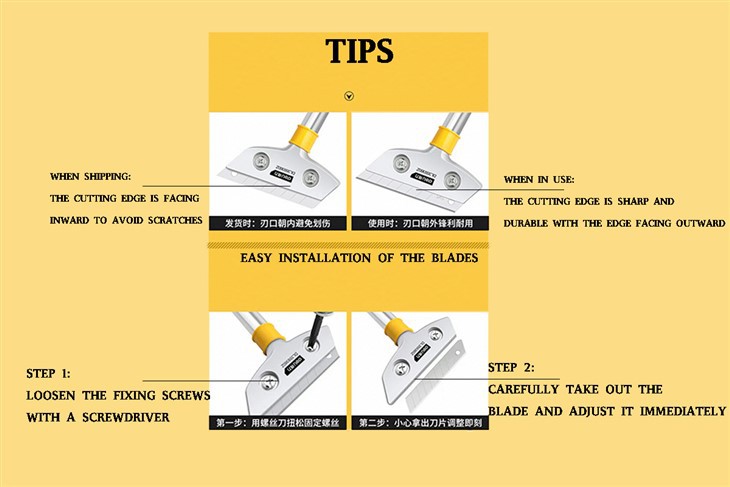
When it comes to maintaining these bench tools, it's important to keep them in tip - top shape to ensure efficient power usage. For example, Clean The Blade regularly on your saws and grinders. A dull blade not only makes the tool work harder but also increases power consumption.
Another factor that affects power consumption is the load on the tool. If you're using a bench tool to work on a really tough material, it'll have to work harder and draw more power. For instance, if you're trying to cut through thick steel with a bench saw, the motor will be under a lot of stress and consume more electricity compared to cutting through a thin piece of wood.
Let's not forget about manual bench tools like the Manual Vice. These don't use any electrical power at all! They rely on good old - fashioned human muscle to clamp and hold workpieces in place. Manual vices are great for situations where you don't want to deal with electrical cords or power consumption. They're also very reliable and can last a lifetime with proper care.
So, why does knowing the power consumption rates of bench tools matter? Well, for one, it helps you manage your energy costs. If you're running a workshop, keeping an eye on power usage can save you a bundle in the long run. It also helps you choose the right tool for the job. If you're working on a small project and don't need a high - powered tool, you can opt for a lower - wattage one and save energy.
Moreover, understanding power consumption is important for safety reasons. Overloading your electrical circuits by using high - wattage tools all at once can lead to electrical fires or damage to your tools. By knowing how much power each tool uses, you can make sure you're not overloading your electrical system.

As a bench tool supplier, I've seen firsthand how different power consumption rates can impact users. That's why I'm always here to help you choose the right tools for your needs. Whether you're a professional woodworker, a metalworker, or just a DIYer looking to spruce up your home, I've got a wide range of bench tools to offer.
If you're interested in learning more about our bench tools or want to discuss power consumption in relation to specific tools, feel free to reach out. We can have a chat about which tools will work best for your projects and how to manage your power usage effectively. I'm more than happy to assist you in making the right purchasing decisions.
In conclusion, the power consumption rates of bench tools vary widely depending on their type, size, and the tasks they perform. By being aware of these rates, you can make informed choices, save on energy costs, and ensure the safe operation of your tools. So, if you're in the market for some new bench tools, don't hesitate to get in touch. Let's find the perfect tools for your workshop together!
References
- General knowledge of bench tool specifications from industry experience.
- Technical manuals of various bench tools.