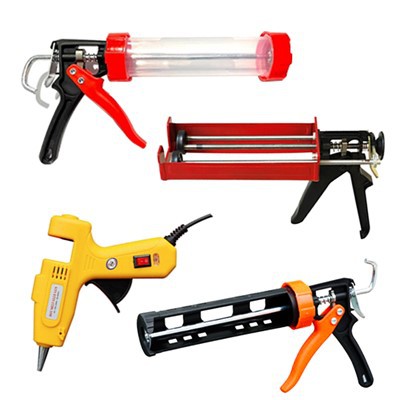
As a seasoned hand tools supplier, I've witnessed firsthand the diverse and essential role that hand tools play in various industries and daily life. In this blog, I'll explore the common types of hand tools, shedding light on their features, applications, and how they can meet the needs of different users.
Cutting Tools
Cutting tools are fundamental in many tasks, from woodworking to metalworking. One of the most well - known cutting tools is the saw. There are different types of saws, such as the handsaw, which is a basic and versatile tool. It has a toothed blade and is commonly used for cutting wood. For more precise cuts, a coping saw can be employed. It has a thin blade that can make intricate cuts in wood or plastic.
Another important cutting tool is the utility knife. With a retractable blade, it is ideal for cutting materials like cardboard, paper, and thin plastics. Utility knives are lightweight and easy to carry, making them a staple in many toolboxes.
Measuring Tools
Accurate measurements are crucial in construction, carpentry, and many other fields. A tape measure is a must - have measuring tool. It comes in various lengths, usually ranging from a few feet to 25 feet or more. Tape measures are flexible and can be used to measure distances, lengths, and widths.
A combination square is another useful measuring tool. It can be used to measure angles, mark 90 - degree and 45 - degree angles, and check the flatness of surfaces. The square has a ruler and a movable head that can be adjusted to different angles.
Driving Tools
Driving tools are used to insert or remove fasteners such as screws and nails. A screwdriver is a common driving tool. There are different types of screwdrivers, including flat - head and Phillips - head screwdrivers. Flat - head screwdrivers are used for screws with a single slot, while Phillips - head screwdrivers are designed for screws with a cross - shaped slot.
For larger projects, a power drill can be used as a driving tool. It can quickly insert or remove screws and is more efficient than a manual screwdriver. However, for precision work, a manual screwdriver may still be preferred.
Striking Tools
Striking tools are used to deliver a forceful blow. A hammer is the most well - known striking tool. The Fibre - shanked Claw Hammer is a popular choice. It has a claw on one end for removing nails and a flat face for driving nails into wood or other materials. The fibre shank provides durability and reduces the shock transmitted to the user's hand.
A mallet is another striking tool. It is usually made of rubber, plastic, or wood and is used when a softer blow is required. Mallets are often used in woodworking to avoid damaging the workpiece.
Holding Tools
Holding tools are used to grip and secure objects during work. A vice is a common holding tool. It can be attached to a workbench and used to hold materials firmly in place while cutting, drilling, or sanding. There are different types of vices, such as bench vices and pipe vices.
Pliers are also important holding tools. They come in various shapes and sizes, including needle - nose pliers, which are used for gripping small objects and bending wires, and slip - joint pliers, which can adjust to different sizes of objects.
Tool Storage
Proper tool storage is essential to keep your hand tools organized and in good condition. The Reinforced Three - deck Tool Cart is an excellent solution for storing a large number of tools. It has multiple decks and compartments, allowing you to categorize and access your tools easily.

Specialized Tools
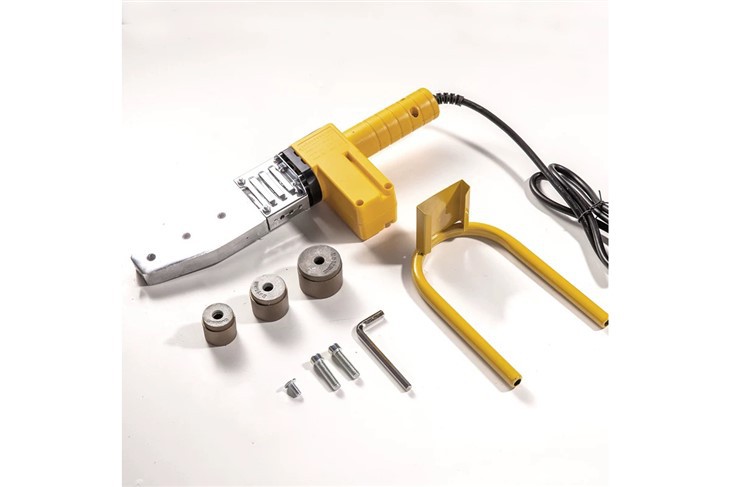
In addition to the common hand tools mentioned above, there are also specialized tools for specific industries. For example, in the pipeline industry, the Manually Tempered Fuser is used for joining pipes. It provides a precise and reliable way to fuse pipes together.
Choosing the Right Hand Tools
When choosing hand tools, it's important to consider the quality, durability, and suitability for the task at hand. High - quality tools may cost more initially, but they will last longer and perform better. It's also important to choose tools that are comfortable to use, as this can improve efficiency and reduce the risk of injury.
Conclusion
Hand tools are an essential part of many industries and daily life. Whether you're a professional tradesperson or a DIY enthusiast, having the right hand tools can make your work easier and more efficient. As a hand tools supplier, I'm committed to providing high - quality tools that meet the diverse needs of our customers.
If you're interested in purchasing hand tools for your projects, I invite you to contact us for a detailed discussion. We can help you select the right tools based on your specific requirements and budget. Let's work together to find the perfect hand tools for your needs.
References
- "Hand Tools: A Comprehensive Guide" by John Smith
- "The Art of Using Hand Tools" by Jane Doe