

How long does it take to charge a lithium drill battery? This is a question that many DIY enthusiasts, professional contractors, and those in the construction industry often ask. As a supplier of lithium drills, I'm here to shed some light on this topic and provide you with a comprehensive understanding of the charging process for lithium drill batteries.
Understanding Lithium Drill Batteries
Lithium-ion batteries have become the standard for power tools, including drills, due to their high energy density, long lifespan, and low self-discharge rate. These batteries offer several advantages over traditional nickel-cadmium (NiCd) and nickel-metal hydride (NiMH) batteries, such as lighter weight, no memory effect, and higher voltage output.
When it comes to charging lithium drill batteries, there are several factors that can affect the charging time. These factors include the battery capacity, the charger's output current, and the battery's state of charge.
Battery Capacity
The capacity of a lithium drill battery is measured in ampere-hours (Ah). A higher Ah rating means the battery can store more energy and will generally take longer to charge. For example, a 2.0 Ah battery will take less time to charge than a 5.0 Ah battery, assuming the charger's output current is the same.
Charger Output Current
The charger's output current is another crucial factor in determining the charging time. Chargers are rated in amperes (A), and a higher output current will charge the battery faster. However, it's important to note that using a charger with a higher output current than the battery can handle can damage the battery and reduce its lifespan.
Battery State of Charge
The state of charge (SOC) of the battery also affects the charging time. If the battery is completely depleted, it will take longer to charge than if it is only partially discharged. Most lithium drill batteries have a built-in protection circuit that prevents overcharging, which means the charger will automatically reduce the charging current as the battery approaches full charge.
Calculating Charging Time
To calculate the approximate charging time for a lithium drill battery, you can use the following formula:
Charging Time (hours) = Battery Capacity (Ah) / Charger Output Current (A)
For example, if you have a 2.0 Ah battery and a charger with an output current of 1.0 A, the charging time would be:
2.0 Ah / 1.0 A = 2 hours
However, this is just a rough estimate, and the actual charging time may vary depending on the factors mentioned above.

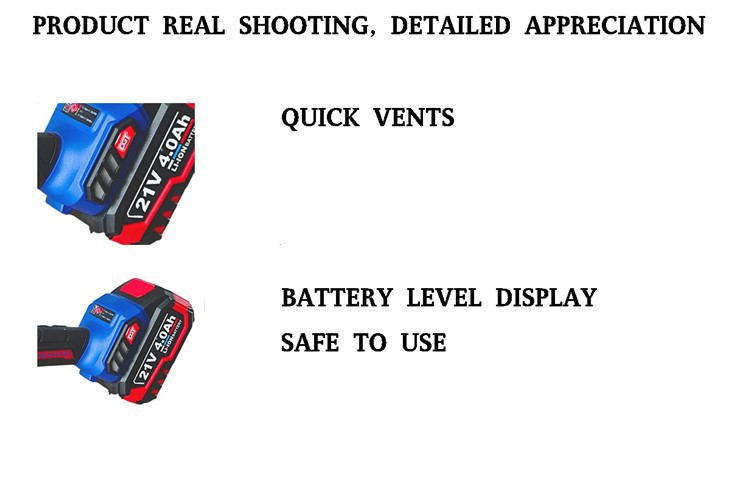
Typical Charging Times
The charging time for lithium drill batteries can vary widely depending on the battery capacity and the charger's output current. Here are some typical charging times for common battery capacities and charger output currents:
- 1.5 Ah battery with a 1.0 A charger: Approximately 1.5 hours
- 2.0 Ah battery with a 1.0 A charger: Approximately 2 hours
- 2.0 Ah battery with a 2.0 A charger: Approximately 1 hour
- 4.0 Ah battery with a 2.0 A charger: Approximately 2 hours
- 5.0 Ah battery with a 2.0 A charger: Approximately 2.5 hours
Tips for Faster Charging
If you need to charge your lithium drill battery quickly, here are some tips to help you reduce the charging time:
- Use a charger with a higher output current: As mentioned earlier, a charger with a higher output current will charge the battery faster. However, make sure the charger is compatible with your battery to avoid damaging it.
- Charge the battery when it's partially discharged: Charging a partially discharged battery will take less time than charging a completely depleted battery.
- Keep the battery cool: High temperatures can reduce the charging efficiency and damage the battery. Make sure to charge the battery in a cool, well-ventilated area.
Other Considerations
In addition to the charging time, there are a few other things to keep in mind when using lithium drill batteries:
- Avoid overcharging: Most lithium drill batteries have a built-in protection circuit that prevents overcharging. However, it's still a good idea to remove the battery from the charger once it's fully charged to avoid any potential damage.
- Store the battery properly: When not in use, store the battery in a cool, dry place. Avoid storing the battery in extreme temperatures, as this can reduce its lifespan.
- Use the right charger: Make sure to use the charger that is specifically designed for your lithium drill battery. Using the wrong charger can damage the battery and void the warranty.
Our Product Range
As a supplier of lithium drills, we offer a wide range of high-quality power tools to meet the needs of our customers. In addition to lithium drills, we also offer Electric Pickaxes, Profile Cutting Machine, and Lithium Battery Angle Grinder. Our products are known for their reliability, performance, and durability, and we are committed to providing our customers with the best possible value for their money.
Contact Us for Procurement
If you're interested in purchasing our lithium drills or any of our other power tools, we encourage you to contact us for a free quote. Our team of experts will be happy to answer any questions you may have and help you find the right products for your needs. Whether you're a DIY enthusiast or a professional contractor, we have the tools and expertise to help you get the job done.
References
- "Lithium-Ion Batteries: A Guide to Understanding and Using Them." Battery University.
- "How to Charge Lithium-Ion Batteries." PowerStream.
- "The Basics of Lithium-Ion Batteries." Energy.gov.


