Hey there! As a supplier of pipeline tools, I've seen firsthand how crucial code refactoring is in the software development world. In this blog, I'll share how our pipeline tools handle code refactoring, so let's dive right in!
Understanding Code Refactoring
First off, what's code refactoring? It's the process of restructuring existing code without changing its external behavior. This is done to improve the code's internal structure, making it more maintainable, readable, and efficient. Think of it as cleaning up a messy room. You're not changing what's in the room, but you're organizing it better so you can find things easily later.
The Role of Pipeline Tools in Code Refactoring
Our pipeline tools play a vital role in streamlining the code refactoring process. They act like a well - oiled machine, automating repetitive tasks and ensuring that the refactored code meets the required standards.
Automation of Repetitive Tasks
One of the biggest pain points in code refactoring is the repetition of certain tasks. For example, renaming variables across multiple files can be a real headache if done manually. Our pipeline tools can automate this process. They can quickly scan through the entire codebase, find all instances of a variable, and rename it consistently. This not only saves time but also reduces the risk of human error.
Let's say you have a variable named old_variable that you want to rename to new_variable. Our tools can handle this in a matter of seconds, making sure that all references to old_variable are updated correctly.
Continuous Integration and Refactoring
Continuous integration (CI) is a key part of our pipeline tools. When you're refactoring code, it's essential to catch any issues early on. Our CI system automatically builds and tests the refactored code every time there's a change. This means that if a refactoring introduces a bug, you'll know about it right away.

For instance, if you change the structure of a function during refactoring, the CI system will run a series of tests to ensure that the function still works as expected. If the tests fail, the system will alert you, allowing you to fix the issue before it causes more problems.
Version Control and Refactoring
Version control is another area where our pipeline tools shine. When you're refactoring code, it's important to keep track of changes. Our tools integrate seamlessly with popular version control systems like Git. They can create branches for refactoring, allowing you to work on the code without affecting the main codebase.
Once you're satisfied with the refactoring, you can merge the changes back into the main branch. If something goes wrong, you can easily roll back to a previous version. This gives you the confidence to make bold refactoring decisions, knowing that you can always revert if necessary.
Specific Pipeline Tools for Code Refactoring
We offer a range of pipeline tools that are specifically designed to handle code refactoring. Let's take a look at some of them.
Manually Tempered Fuser
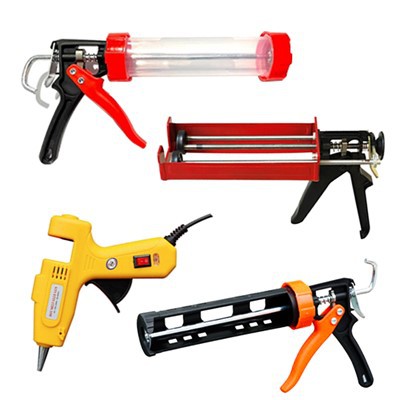
The Manually Tempered Fuser is a great tool for refactoring code in a more hands - on way. It allows you to make precise changes to the codebase, especially when dealing with complex refactoring scenarios. This tool gives you the flexibility to adjust the refactoring process according to your specific needs.
PPR Scissors
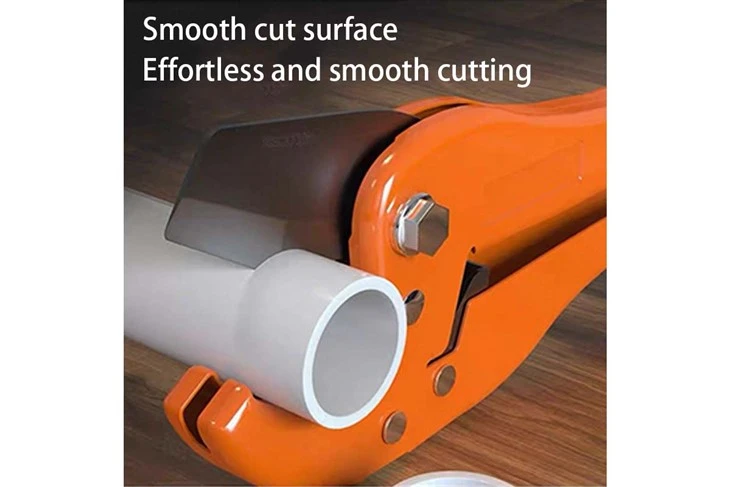
The PPR Scissors are ideal for cutting through redundant code. They can quickly identify and remove sections of code that are no longer needed. This helps in reducing the codebase size and improving its overall performance.
Metal Pipe Cutter
The Metal Pipe Cutter is designed for more aggressive refactoring. It can handle large - scale code restructuring, such as splitting a monolithic application into microservices. This tool is perfect for teams looking to modernize their codebase.
Best Practices for Using Pipeline Tools in Code Refactoring
Here are some best practices to keep in mind when using our pipeline tools for code refactoring:
Plan Ahead
Before you start refactoring, have a clear plan in place. Identify the areas of the code that need refactoring and set goals for what you want to achieve. This will help you stay focused and ensure that the refactoring process is more efficient.
Test, Test, Test
Testing is crucial during refactoring. Make sure to run comprehensive tests at every stage of the process. Our pipeline tools make it easy to set up and run tests, so take advantage of this feature.
Communicate with Your Team
If you're working in a team, communication is key. Make sure everyone is aware of the refactoring process and the goals you're trying to achieve. Our tools can help with team collaboration by providing visibility into the refactoring progress.
Conclusion
In conclusion, our pipeline tools are a game - changer when it comes to code refactoring. They automate repetitive tasks, ensure continuous integration, and provide excellent version control. With tools like the Manually Tempered Fuser, PPR Scissors, and Metal Pipe Cutter, you have everything you need to refactor your code effectively.
If you're interested in learning more about how our pipeline tools can help with your code refactoring needs, don't hesitate to reach out. We're always happy to have a chat and discuss how we can support your software development journey.
References
- Fowler, M. (1999). Refactoring: Improving the Design of Existing Code. Addison - Wesley.
- Humble, J., & Farley, D. (2010). Continuous Delivery: Reliable Software Releases through Build, Test, and Deployment Automation. Addison - Wesley.