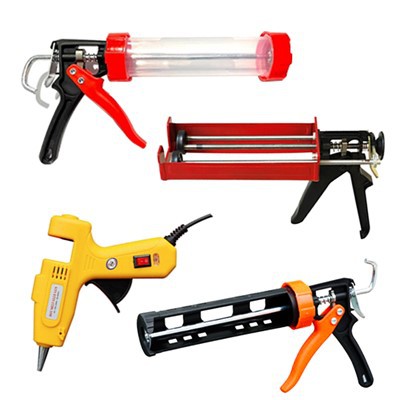
Hey there! As a supplier of hand tool series, I often get asked whether these tools require regular calibration. Well, let's dive right into it and figure out what's what.
First off, let's understand what calibration is. Calibration is the process of comparing a tool's measurement values with a known standard to ensure its accuracy. It's like checking if your weighing scale at home is showing the right weight. For hand tools, calibration is all about making sure they're doing their job correctly, whether it's measuring, cutting, or hammering.
Now, not all hand tools need calibration. For example, simple tools like basic screwdrivers or wrenches usually don't require it. These tools are pretty straightforward. A screwdriver is just meant to turn screws, and as long as the tip fits the screw head properly, it'll do its job. But things get a bit more complicated when we talk about tools that involve measurement or precision.
Take Socket Combinations for instance. These are used for tightening or loosening nuts and bolts. In some cases, especially in industries like automotive or aerospace, the torque applied by these sockets needs to be precise. If the socket doesn't apply the right amount of torque, it can lead to parts being either too loose or too tight. Over time, factors like wear and tear, improper use, or even environmental conditions can affect the accuracy of these tools. That's when calibration comes in. Regular calibration ensures that the torque values are consistent and accurate, which is crucial for the safety and functionality of the machinery.
Another tool that often needs calibration is Boutique Wire Cutters. These are used to cut wires of different gauges. The cutting force and the precision of the cut are important. If the wire cutters are not calibrated, they might not cut the wire cleanly, leaving jagged edges or not cutting through at all. This can be a problem in electrical work, where a clean cut is necessary for proper connections. Calibration helps maintain the sharpness and cutting force of the wire cutters, ensuring they perform their task effectively.
Fibre - shanked Claw Hammer might seem like a tool that doesn't need calibration at first glance. However, in some professional settings, the balance and the striking force of the hammer are important. For example, in carpentry, a well - balanced hammer allows for more accurate strikes. If the hammer's head becomes loose or the balance is off due to repeated use, it can affect the user's ability to drive nails straight and efficiently. Regular checks and calibration, in this case, can involve ensuring the head is properly attached and the overall balance of the hammer is maintained.
So, how often should hand tools be calibrated? Well, it depends on several factors. If the tools are used in a high - precision industry, they might need to be calibrated more frequently, maybe every few months. In less demanding environments, calibration once or twice a year might be sufficient. Also, if a tool has been dropped, subjected to extreme conditions, or used extensively, it's a good idea to get it calibrated sooner rather than later.
The calibration process itself usually involves taking the tool to a professional calibration service. These services have the necessary equipment and expertise to compare the tool's performance against a known standard. They'll make any necessary adjustments and provide a calibration certificate, which is proof that the tool has been calibrated and meets the required standards.
Now, as a hand tool series supplier, I know that calibration can seem like an extra hassle and expense. But in the long run, it's definitely worth it. Using calibrated tools can improve the quality of work, reduce the risk of errors, and even extend the lifespan of the tools. Imagine using a mis - calibrated torque wrench in a high - stress application. It could lead to a mechanical failure, which could be not only costly but also dangerous.
If you're in the market for high - quality hand tools and are concerned about calibration, you've come to the right place. Our hand tool series is designed to be durable and reliable, and we can also provide guidance on calibration schedules and services. Whether you're a professional tradesperson or a DIY enthusiast, having properly calibrated tools is essential for getting the job done right.
If you're interested in purchasing our hand tool series or have any questions about calibration, feel free to reach out. We're always happy to help you find the right tools for your needs and ensure they're performing at their best.
In conclusion, while not all hand tools require regular calibration, many do, especially those used in precision - oriented tasks. By investing in calibration, you're investing in the quality and safety of your work. So, don't overlook this important aspect of tool maintenance.
References


- Tool Industry Standards Handbook
- Professional Calibration Services Guide
- Best Practices for Hand Tool Use and Maintenance