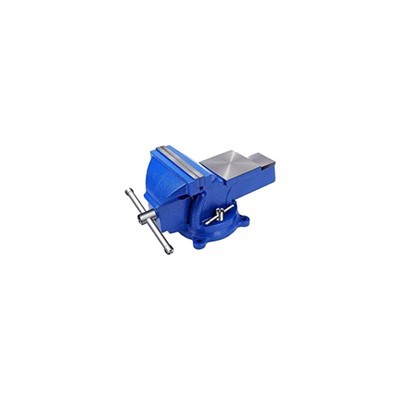
Hey there! As a supplier in the hand tool series business, I've seen firsthand how important it is to organize your tools properly. Whether you're a professional tradesperson or a DIY enthusiast, having a well - organized set of hand tools can save you time, reduce stress, and even improve the quality of your work. In this blog, I'm going to share some tips on how to organize the tools in a hand tool series.
1. Sort Your Tools by Type
The first step in organizing your hand tools is to sort them by type. This might seem obvious, but it's a crucial foundation. You can start by separating your tools into broad categories like cutting tools, driving tools, striking tools, and measuring tools.
For cutting tools, you've got items like Boutique Wire Cutters. These are super handy for working with wires and cables. You can group them with other cutting tools such as utility knives and saws.
Driving tools include screwdrivers and wrenches. Socket combinations, like the ones you can find at Socket Combinations, are a great example. They come in different sizes and can be used for a variety of tasks, from tightening bolts to assembling furniture.
Striking tools are things like hammers. A Fibre - shanked Claw Hammer is a classic. It's used for driving nails and pulling them out when needed. Group it with other hammers and mallets.
Measuring tools, such as tape measures, calipers, and levels, should also be kept together. This way, when you need to take a measurement, you know exactly where to look.


2. Use Storage Solutions
Once you've sorted your tools, it's time to find the right storage solutions. There are a lot of options out there, and the choice depends on your needs and the amount of space you have.
Toolboxes are a popular choice. They come in different sizes and styles, from small portable ones to large, heavy - duty chests. A good toolbox should have compartments and drawers to keep your tools organized. You can label each compartment to make it even easier to find what you need.
Wall - mounted tool racks are also great. They free up floor space and keep your tools within easy reach. You can hang your hammers, wrenches, and pliers on the rack. Some racks even come with hooks and holders specifically designed for different types of tools.
Tool cabinets are another option, especially if you have a large collection of tools. They offer more storage space and can be locked to keep your tools safe. You can arrange the shelves in the cabinet to fit your tools neatly.
3. Label Everything
Labeling is a simple but effective way to keep your tool organization in check. You can use sticky labels or a label maker to mark your toolboxes, compartments, and individual tools.
For example, if you have a drawer in your toolbox dedicated to screwdrivers, label it "Screwdrivers". If you have different sizes of sockets in a container, label the container with the size range. This makes it quick and easy to find the tool you need, especially when you're in a hurry.
When you label individual tools, it can also help if you ever lend your tools to someone. They'll know exactly what each tool is for and where it should go when they're done.
4. Consider Frequency of Use
Think about how often you use each tool. Tools that you use frequently should be placed in easy - to - reach locations. For instance, if you use a particular screwdriver every day, keep it in the top drawer of your toolbox or on a hook near your workbench.
On the other hand, tools that you use less often can be stored in the back of a cabinet or in a deeper compartment of your toolbox. This way, you're not cluttering up your immediate workspace with tools that you don't need all the time.
5. Keep Similar Tools Together
Even within each type of tool, try to keep similar tools together. For example, if you have different sizes of pliers, group them by size. This makes it easier to compare and choose the right tool for the job.
If you have different types of wrenches, like open - end wrenches, box - end wrenches, and adjustable wrenches, keep them in the same area but separate them into their own sub - groups. This organization method helps you quickly scan through your tools and find the one that fits your needs.
6. Regularly Clean and Maintain Your Tools
Organization isn't just about where you put your tools; it's also about keeping them in good condition. Regularly clean your tools to remove dirt, grease, and rust. A clean tool not only works better but also lasts longer.
For example, after using your wire cutters, wipe them down with a clean cloth to remove any debris. If you notice any signs of rust on your hammer or wrench, use a rust remover to clean it up.
While you're cleaning your tools, take the opportunity to check for any damage. If a tool is broken or worn out, repair or replace it as soon as possible. This ensures that your tool collection is always in top - notch condition.
7. Create an Inventory
Making an inventory of your hand tools can be very useful. You can use a spreadsheet or a simple notebook to list all your tools. Include details like the tool name, brand, size, and purchase date.
An inventory helps you keep track of what tools you have, what you might need to replace, and if any tools are missing. It can also be handy for insurance purposes in case of theft or damage.
Why Organizing Your Hand Tools Matters
Organizing your hand tools isn't just about making your workspace look neat. It has several practical benefits.
Firstly, it saves you time. When your tools are organized, you don't have to waste time searching for the right tool. You can quickly grab what you need and get on with your work.
Secondly, it improves safety. A cluttered tool area can be a hazard. Tools left lying around can cause trips and falls. By organizing your tools, you reduce the risk of accidents.
Thirdly, it extends the life of your tools. When tools are stored properly, they're less likely to get damaged. For example, a well - stored hammer won't get dented or chipped, and a clean screwdriver won't rust.
Connect with Us for Your Hand Tool Needs
If you're looking to expand your hand tool collection or need some advice on the best tools for your projects, we're here to help. As a hand tool series supplier, we've got a wide range of high - quality tools to meet your needs. Whether you're a professional in the industry or a weekend DIYer, we've got the right tools for you.
Don't hesitate to reach out to us for a chat about your tool requirements. We can offer you the best products and solutions to keep your tool organization and work processes running smoothly.
References
- "The Complete Guide to Hand Tool Organization" by Tool Experts Publishing
- "Hand Tools: Maintenance and Storage" from DIY Magazine
- Industry research on hand tool usage and organization trends