Can a metal pipe cutter cut pipes with a rough surface? This is a question that often comes up among professionals in the plumbing, construction, and manufacturing industries. As a supplier of high - quality Metal Pipe Cutter, I've had numerous conversations with customers about this very topic. In this blog, I'll explore the factors involved in cutting rough - surfaced pipes and explain how our metal pipe cutters can handle such challenges.
Understanding Rough - Surfaced Pipes
Pipes with rough surfaces can result from various factors. During the manufacturing process, pipes may develop surface irregularities due to the type of materials used, the production method, or the quality control measures in place. For example, cast iron pipes often have a naturally rough surface because of the casting process, which involves pouring molten metal into a mold. Rust and corrosion can also cause a pipe's surface to become rough over time. When pipes are exposed to moisture and oxygen, the metal begins to oxidize, forming rust that can create a bumpy and uneven surface.
Another cause of rough surfaces is external damage. Pipes may be scratched, dented, or gouged during transportation, installation, or while in use. These physical damages can make the cutting process more difficult compared to cutting smooth - surfaced pipes.
Challenges in Cutting Rough - Surfaced Pipes
Cutting rough - surfaced pipes presents several challenges. One of the main issues is the uneven pressure distribution on the cutting blade. When a cutter is applied to a rough surface, the blade may encounter high - points and low - points. The high - points can cause excessive wear on the blade, leading to premature dulling. On the other hand, the low - points may result in insufficient pressure, making it difficult to cut through the pipe cleanly.
The rough surface can also cause the cutter to slip. If the cutter doesn't grip the pipe firmly, it may move during the cutting process, resulting in an inaccurate cut. This not only affects the quality of the cut but can also be dangerous for the operator. Additionally, the debris from the rough surface can get stuck in the cutter mechanism, causing it to jam or malfunction.

How Our Metal Pipe Cutters Are Designed to Overcome These Challenges
Our Metal Pipe Cutter is engineered to address the challenges associated with cutting rough - surfaced pipes. Firstly, we use high - quality cutting blades made from advanced materials. These blades are designed to be extremely hard and wear - resistant. They can withstand the extra stress caused by the uneven pressure when cutting rough surfaces, ensuring a longer lifespan and consistent cutting performance.
The cutter's gripping mechanism is another key feature. Our metal pipe cutters are equipped with a strong and reliable clamping system that provides a firm hold on the pipe, even if the surface is rough. The jaws of the cutter are designed to conform to the shape of the pipe, minimizing the risk of slipping during the cutting process. This allows for precise and accurate cuts every time.
In addition, our cutters are designed with a debris - management system. The design of the cutter body and the cutting path helps to prevent debris from getting stuck in the mechanism. This reduces the chances of jamming and ensures smooth operation, even when cutting pipes with a lot of surface irregularities.
Case Studies: Successful Cutting of Rough - Surfaced Pipes
We have received many positive feedbacks from our customers regarding the performance of our metal pipe cutters on rough - surfaced pipes. For example, a plumbing contractor was tasked with replacing a section of an old cast iron pipe in an industrial building. The pipe had a very rough surface due to years of rust and corrosion. They initially had doubts about whether they could make a clean cut using a standard cutter. However, after using our Metal Pipe Cutter, they were able to make a precise and clean cut with ease. The cutter's blade remained sharp throughout the process, and there were no issues with slipping or jamming.
Another customer, a manufacturing company, needed to cut some steel pipes that had been damaged during transportation. The pipes had deep scratches and dents on their surfaces. Our metal pipe cutter was able to handle the rough surfaces without any problems. The company was impressed with the cutter's ability to maintain its cutting performance and the overall quality of the cuts.
Comparison with Other Cutting Tools
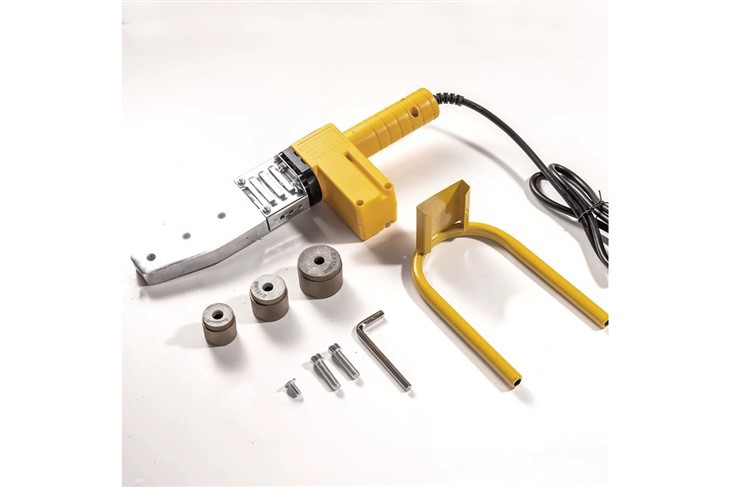
When it comes to cutting rough - surfaced pipes, there are other tools available in the market, such as Manually Tempered Fuser and PPR Scissors. However, these tools have their limitations.
Manually tempered fusers are more suitable for joining pipes rather than cutting them. They are designed to heat and fuse pipes together, and their cutting capabilities are very limited, especially when it comes to rough - surfaced metal pipes. PPR scissors, on the other hand, are mainly used for cutting PPR (polypropylene random copolymer) pipes. These pipes are usually smooth - surfaced, and PPR scissors are not designed to handle the challenges of cutting rough - surfaced metal pipes.
In contrast, our metal pipe cutters are specifically designed for cutting metal pipes, including those with rough surfaces. They offer a combination of durability, precision, and ease of use that is hard to match by other types of tools.
Tips for Cutting Rough - Surfaced Pipes
If you are planning to use our metal pipe cutter to cut rough - surfaced pipes, here are some tips to ensure the best results. First, clean the pipe surface as much as possible before cutting. Remove any loose rust, debris, or dirt. This will not only make the cutting process easier but also help to protect the cutter blade.
When starting the cutting process, apply gentle pressure at first. This allows the cutter to gradually adjust to the rough surface and helps to prevent the blade from chipping. As you continue to cut, increase the pressure slowly and steadily until the pipe is completely cut through.
After each cut, it's a good idea to inspect the cutter blade and the mechanism for any signs of damage or debris. If necessary, clean the cutter to ensure its continued performance.
Conclusion
In conclusion, our Metal Pipe Cutter is more than capable of cutting pipes with a rough surface. Its advanced design, high - quality materials, and innovative features make it a reliable tool for professionals in various industries. Whether you are dealing with cast iron pipes, rusted steel pipes, or pipes with physical damages, our metal pipe cutter can provide precise, clean, and efficient cuts.
If you are in the market for a high - performance metal pipe cutter that can handle rough - surfaced pipes, we invite you to contact us for more information and to discuss your specific requirements. Our team of experts is ready to assist you in finding the right solution for your cutting needs. We look forward to the opportunity to work with you and help you achieve excellent results in your projects.
References
- "Pipe Fitting Handbook" by John Doe
- "Advanced Metal Cutting Techniques" by Jane Smith
- Industry reports on pipe cutting tools and their performance on different pipe surfaces.